5 Questions to ask before choosing a software development partner.
Whether you're a Seed-stage startup, preparing for Series A, or an established enterprise, the development partner you choose today can shape your bus...

Getting your MVP to market is a huge milestone. You’ve validated the idea, secured funding and started building traction.
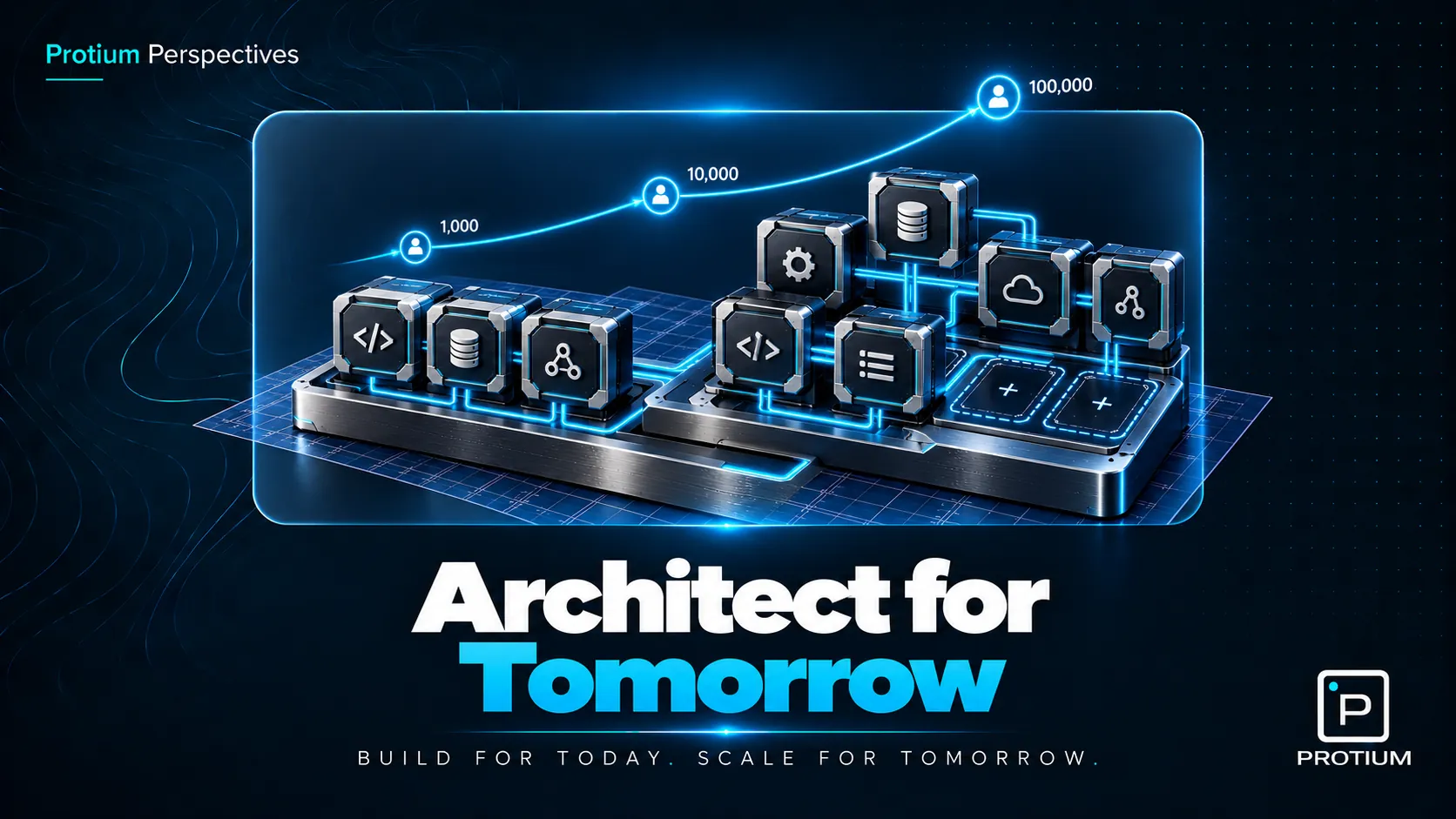
But what happens when your user base grows from 1,000 to 10,000? Or 100,000?
What happens when investors want new features delivered faster, your product needs to integrate with other platforms, or your next funding round brings a deeper level of technical scrutiny? Suddenly, the decisions you made in the early stages start to matter a lot more.
The challenge isn’t just building software that works today. It’s building software that can evolve with the business. I’ve seen how early architectural shortcuts can create significant problems as a product grows.
What initially seemed like a quick way to launch can eventually lead to:
As you move through Seed, Series A, Series B and beyond, investors or potential acquirers may want to understand the quality, scalability, security and maintainability of the technology underpinning your business.
A working product is one thing, but a well-architected product that can support growth, withstand technical scrutiny and adapt to changing business requirements is another.
This doesn’t mean building an enterprise-scale system before you have your first customer. It means
At Protium, this is exactly the kind of challenge we want to help ambitious startups solve.
We work with businesses to build robust software foundations that support today’s requirements without unnecessarily limiting tomorrow’s opportunities. Because your technology shouldn’t become the thing that holds your business back just as it’s starting to take off.
Build for today. Architect for tomorrow.
#StartupTechnology #SoftwareArchitecture #Scalability #SoftwareEngineering #Protium
Whether you're a Seed-stage startup, preparing for Series A, or an established enterprise, the development partner you choose today can shape your bus...
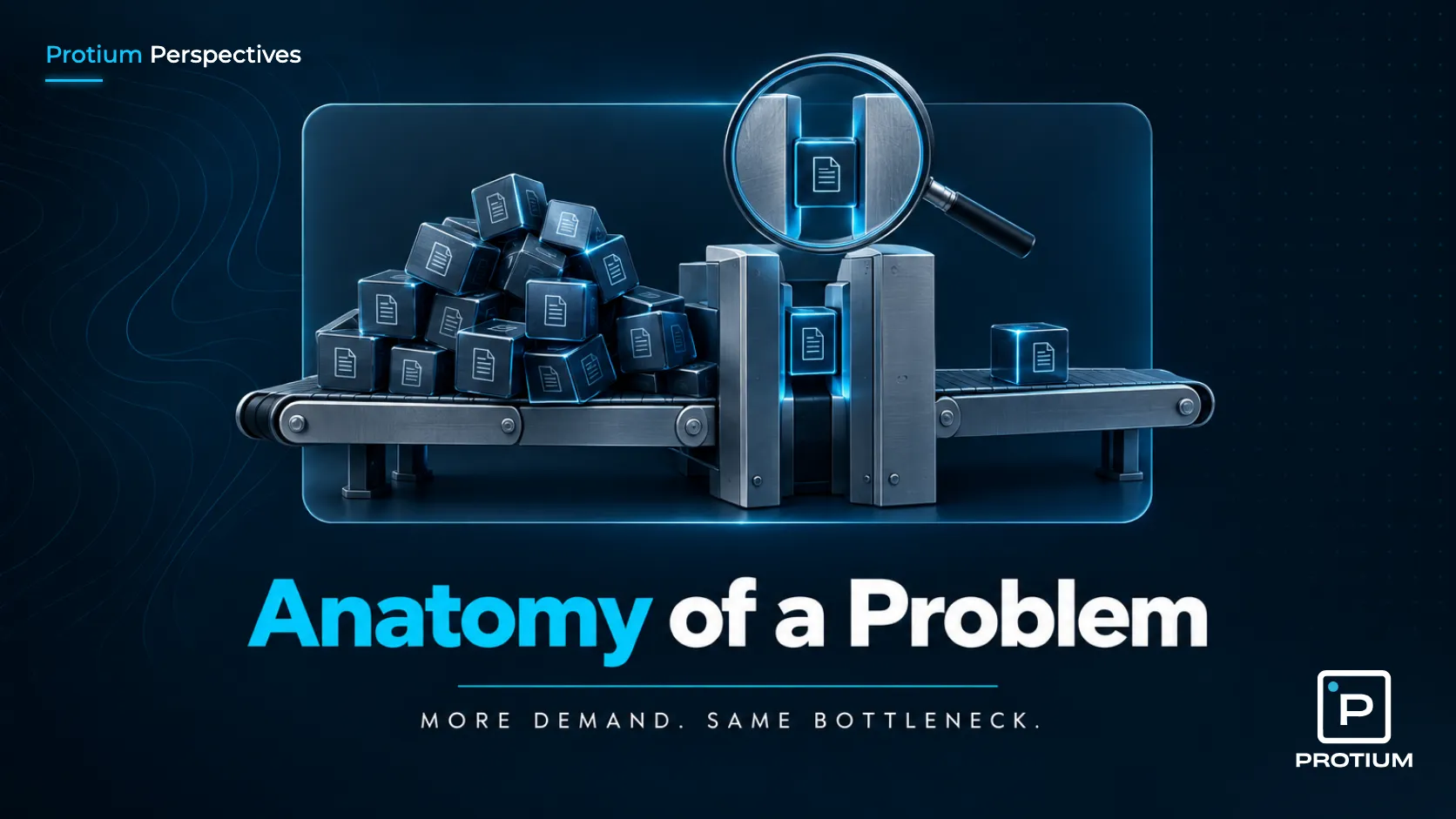
Why successful software systems can become their own biggest obstacle to growth, and how the right architectural thinking changes the outcome. The sys...